
SASHIKO × SHIBORI: The Asanoha Retreat,
Indigo, Hemp, Deep Into Stitching
A four-day sashiko shibori retreat in Kyoto, co-led by Kazue Yoshikawa (SASHIKO.LAB) and Ingrid Pastor (shibori practitioner and teacher), combining two shibori techniques — itajime (board-clamped resist) and nui-shibori (stitching shibori) — with natural indigo dyeing and sashiko.
Over four days, you will dye cloth using itajime shibori, stitch a piece based on the Asanoha (hemp leaf) pattern using makiage-shibori, and combine sashiko with shibori techniques on your own work. The program includes a day trip to Shiga, where you visit a local indigo dyeing workshop to dye the stitching-shibori piece you made, then try hand-spinning and thread-winding used in Omi jofu hemp textile production.
Deepen your understanding of sashiko and shibori through hands-on practice rooted in traditional Japanese craftsmanship.
By the end of the program, each participant takes home a set of finished pieces that carry every stage of the process: folded, dyed and stitched by hand.
Itinerary

DAY 1
Morning: Itajime & Dye
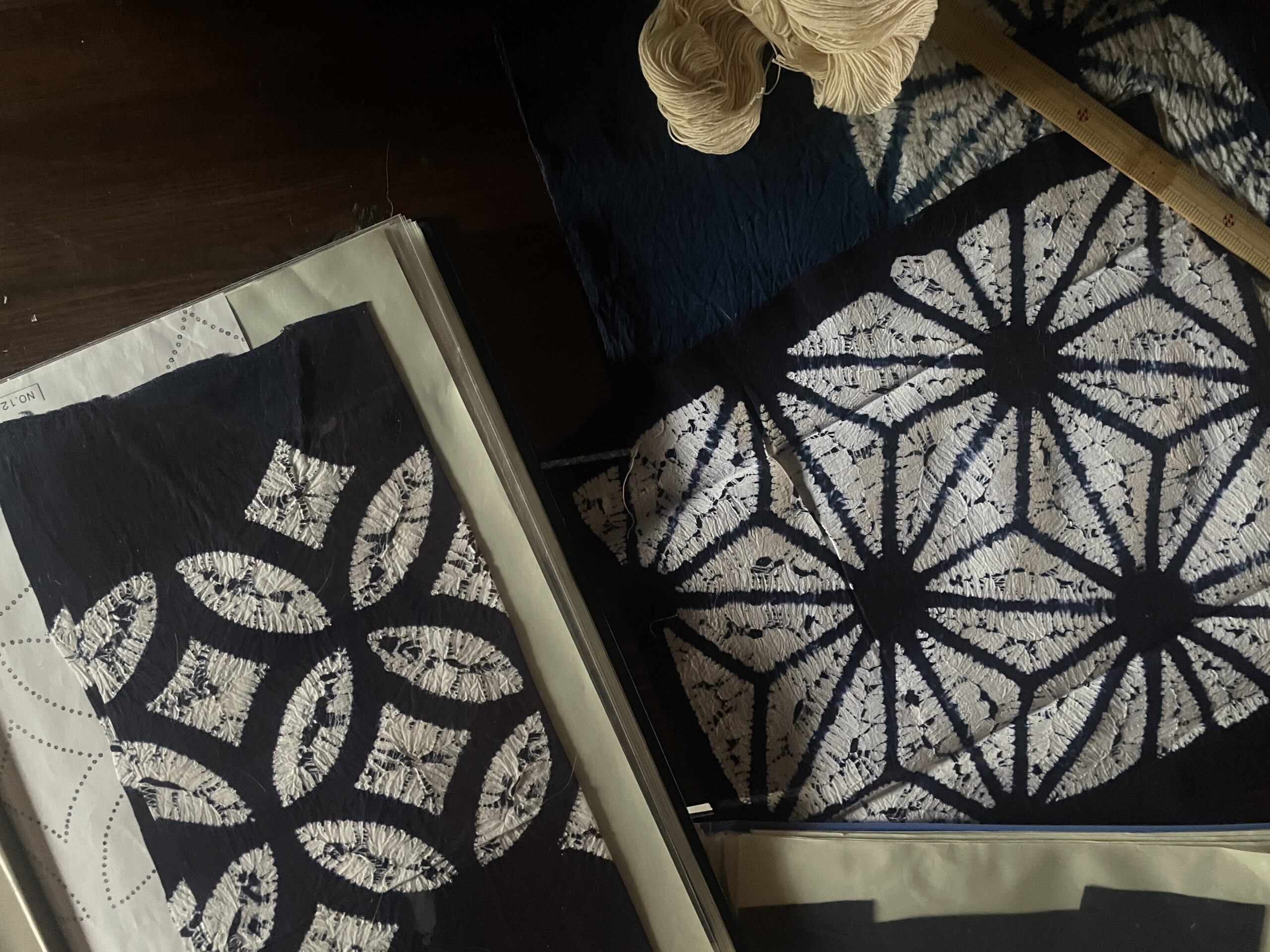
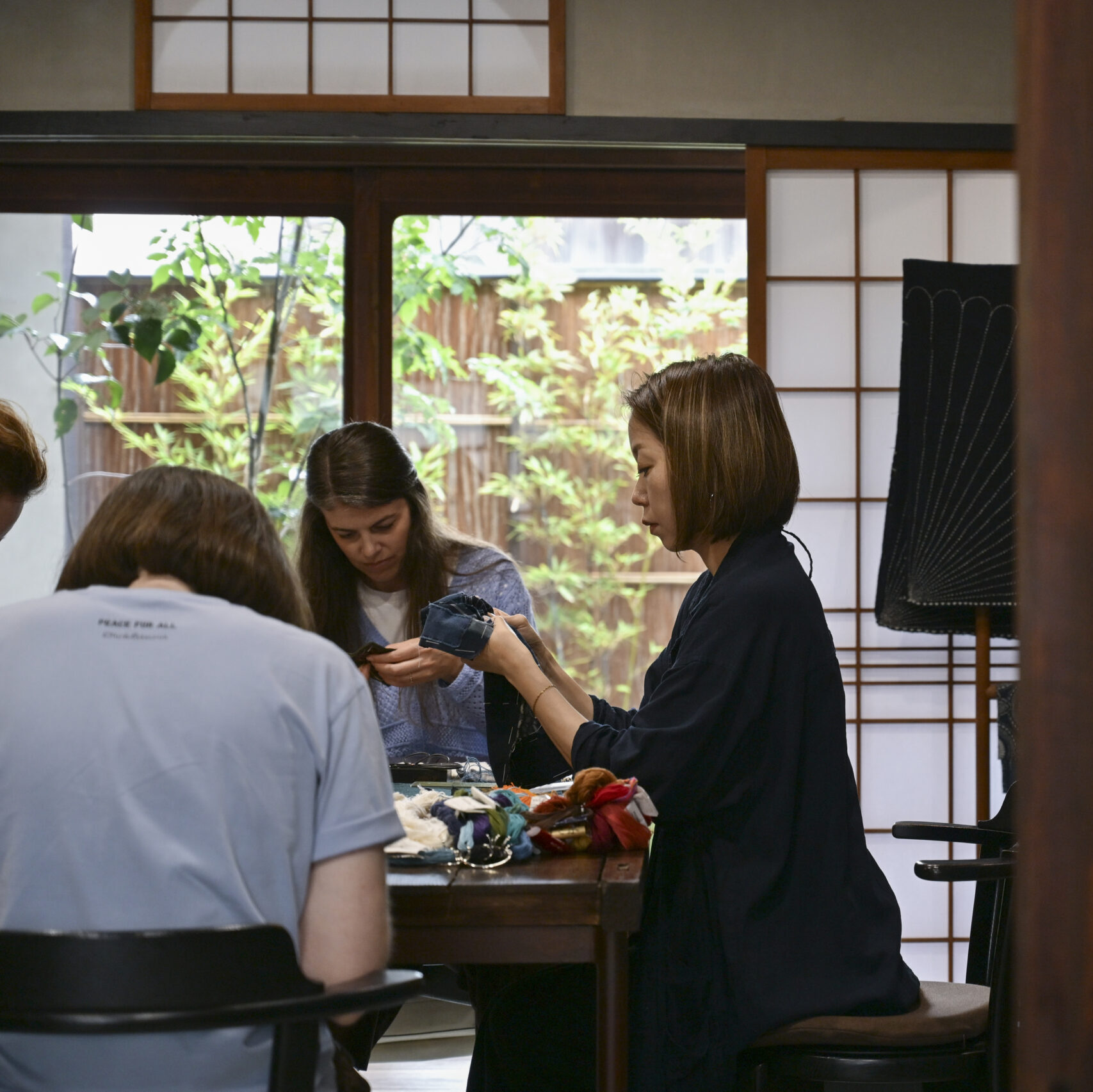
Learn itajime, a shape-resist dyeing technique using wooden boards to clamp and bind folded cloth before it goes into the dye vat. Working alongside shibori practitioner Ingrid Pastor, you’ll fold, press, and dye a 90 × 90cm cloth — large enough to use afterward as a furoshiki, scarf, or wall hanging.
Afternoon: Makiage Shibori
Shift from resist-dyeing to stitching: hand-sewn gathering threads control how the dye takes to the cloth. You’ll stitch the Asanoha (hemp leaf) pattern — the same piece you’ll return to dye on Day 3, during the visit to a local indigo workshop.
DAY 2
Morning: Sashiko on Itajime (Warikiku)
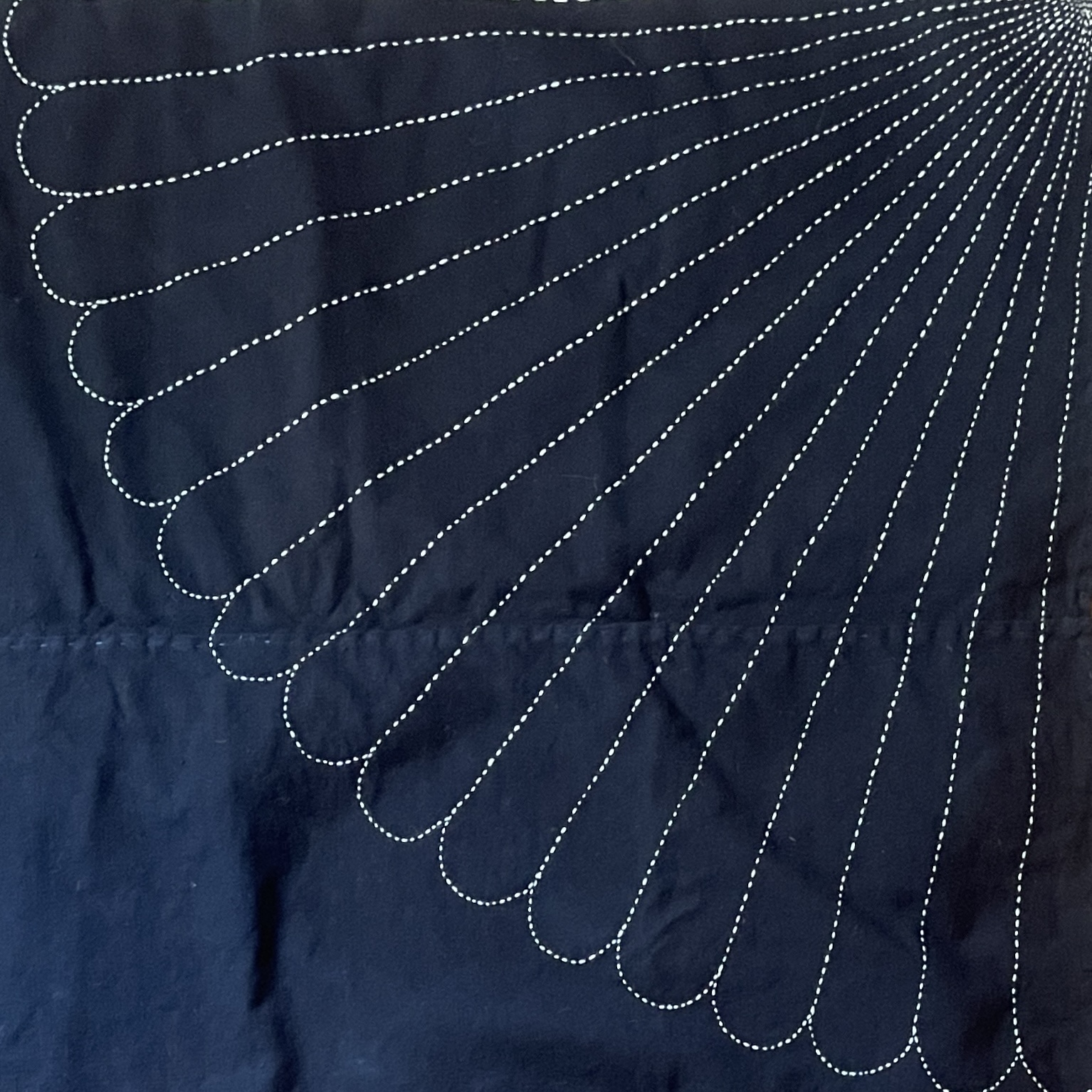
Begin with an introduction to sashiko’s history and practical role — how stitching was used to reinforce cloth and extend its usable life — before moving into moyōzashi stitching. Learn how to draw the Warikiku (split chrysanthemum) pattern by hand, then stitch it directly over the itajime pattern from Day 1, layering the two designs on the same cloth.
Afternoon: Stitching Shibori, continued
Continue stitching the Asanoha piece from Day 1, working toward a finished gathering pattern ready for dyeing on Day 3.
DAY 3
Day Trip to Shiga: Indigo Dyeing & Hemp Weaving
Travel to Shiga for a day combining two local textile crafts.
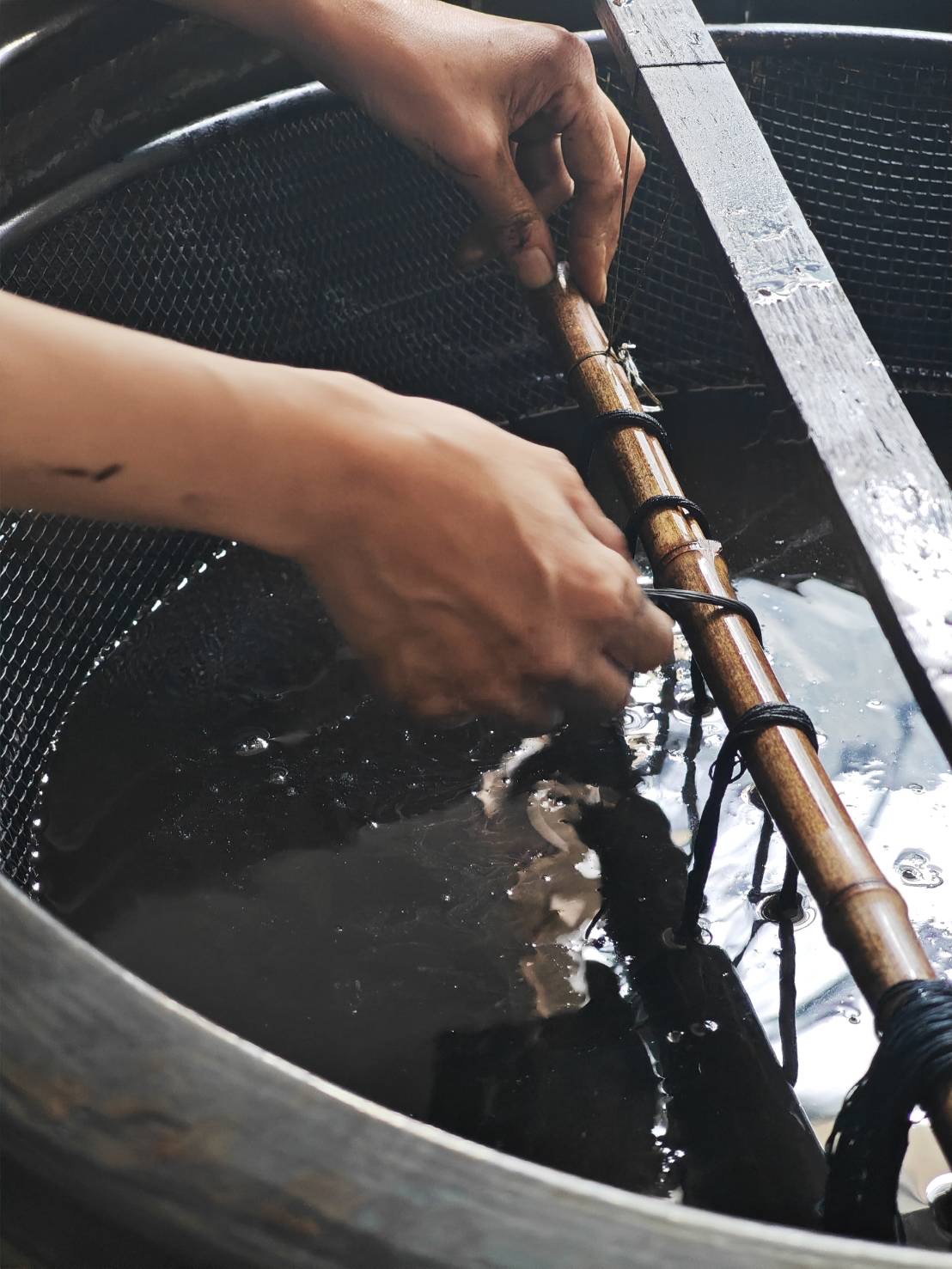
Begin with indigo dyeing at a local workshop, where you’ll dye the stitching-shibori piece you began on Day 1 — completing the gathering pattern you stitched over the first two days.
The day continues with a hands-on hand-spinning and thread-winding experience at a center dedicated to a historic hemp-weaving craft of the region, learning how hemp fiber is prepared into thread before weaving.
DAY 4
Stitching Sashiko on Nui Shibori
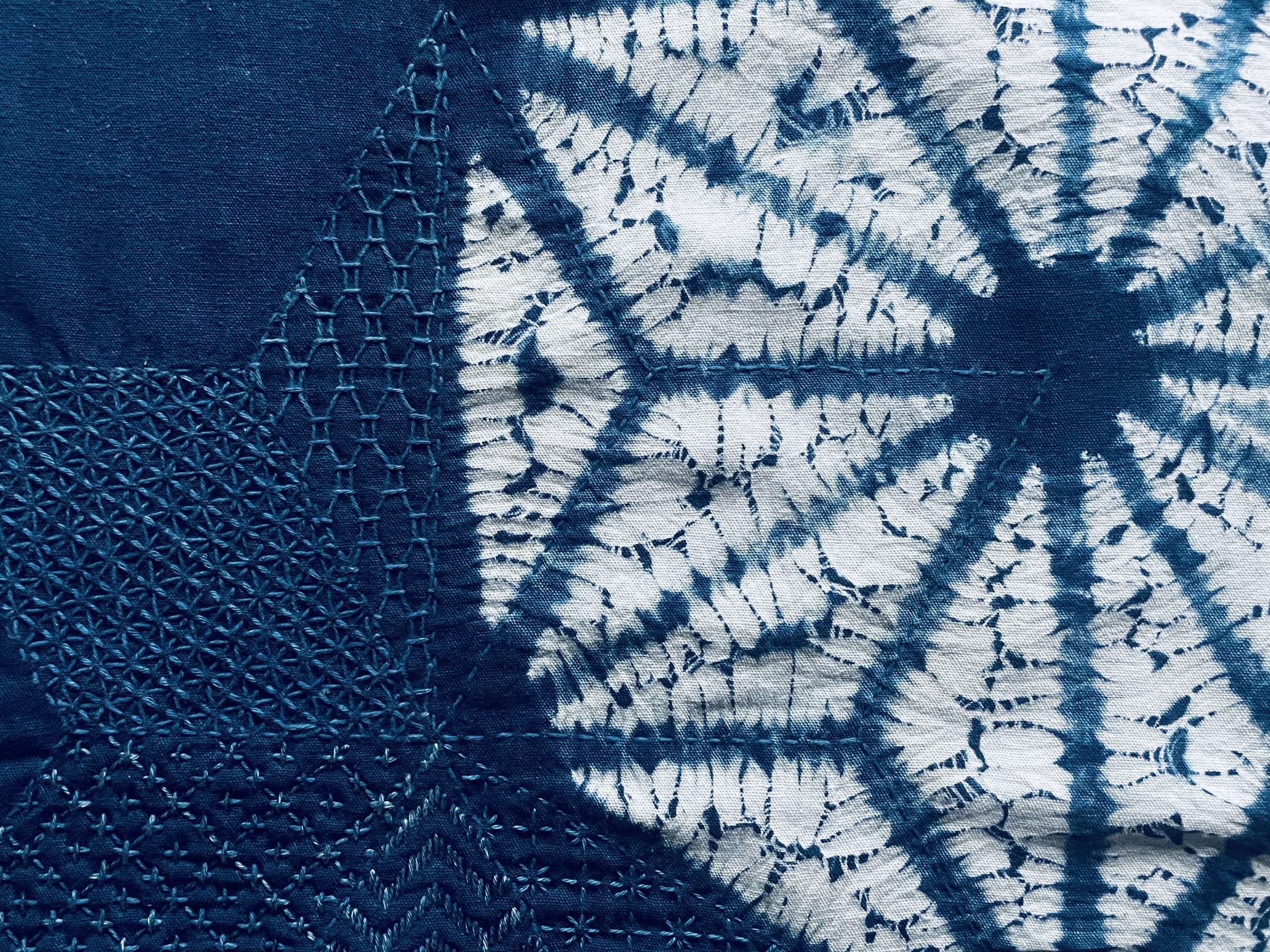
On this final day, stitch hitomezashi directly onto the stitching-shibori piece you dyed in indigo on Day 3 — the same piece you began gathering on Day 1. Try several different hitomezashi patterns across the cloth, a different technique from the moyōzashi you stitched on Day 2.
You’ll leave with a piece that carries every stage of the process: the gathering stitches, the indigo dye, and the hitomezashi stitched by hand.
What’s included
Instruction, materials for all stitching and dyeing work, transport to and from Shiga on Day 3, the fees for both Day 3 workshops (indigo dyeing and Omi jofu hand-spinning and thread-winding), and lunch on all four days.
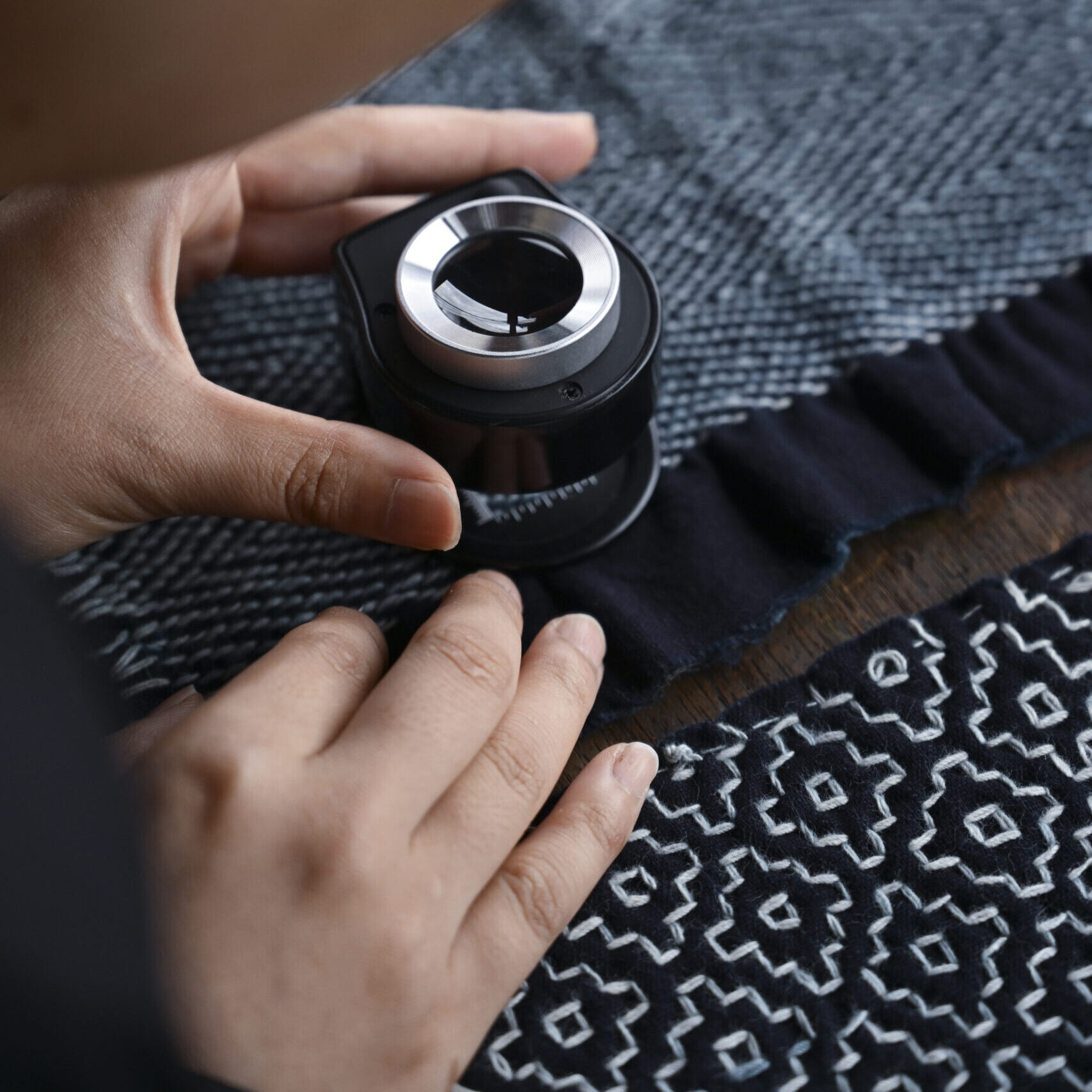
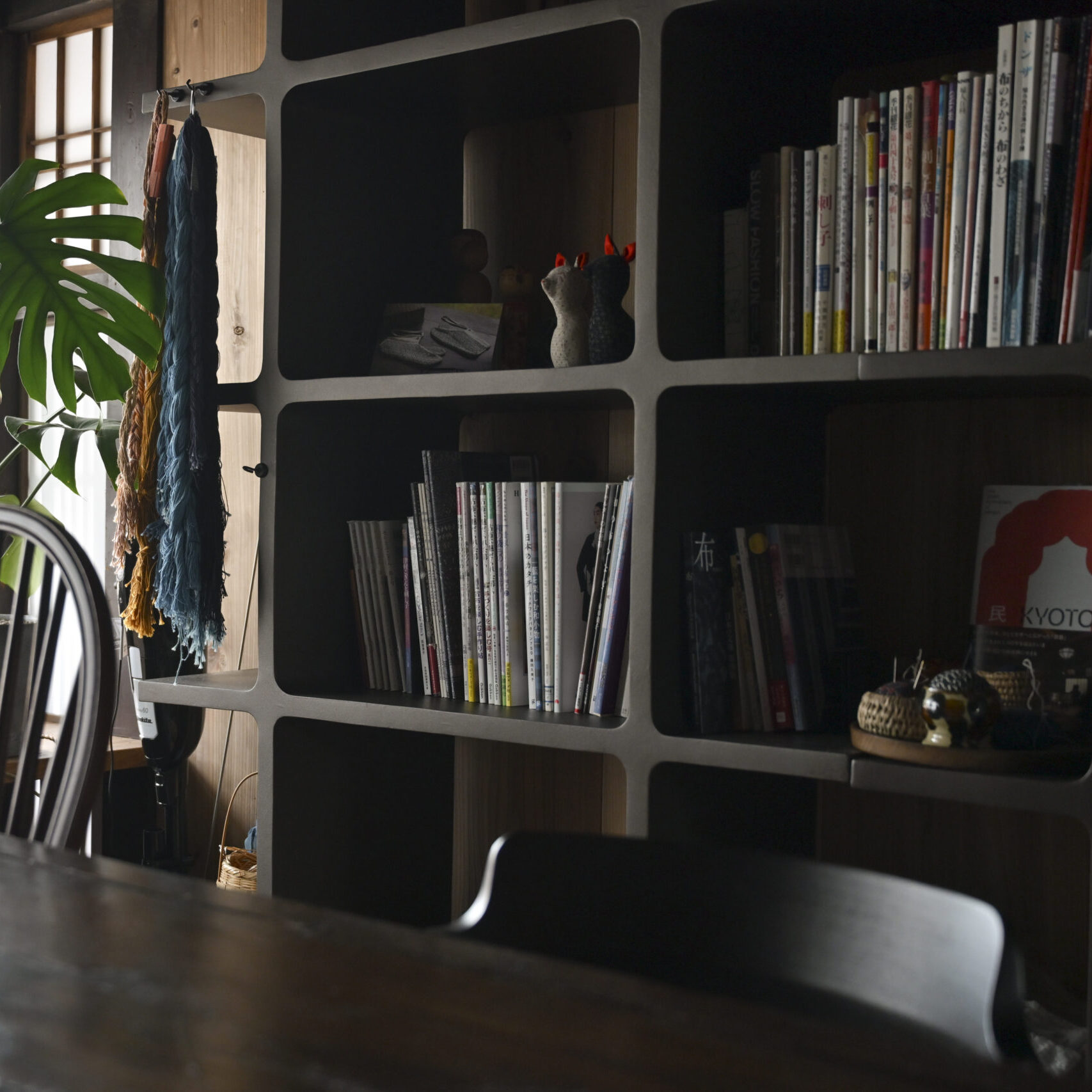
SASHIKO.LAB is open to you throughout the program. Between 9:00 and 16:00, whenever you are in the atelier, practice with the atelier’s sewing tools and browse its books. Return to the SASHIKO BORO ARCHIVE as often as you like: studying vintage sashiko and boro up close, more than once, shows how the techniques you are learning were used on real cloth.
What’s not included
Accommodation and daily transport to the atelier. This program does not include lodging, but we are happy to help you find a place to stay. Kyoto offers a wide range of options.
SASHIKO.LAB is a 4-minute walk from JR Inari Station and a 6-minute walk from Keihan Ryukoku-dai-mae Fukakusa Station. We recommend staying near Kyoto Station or near a station on the Keihan line. Bicycle parking is available at the atelier, so staying nearby and cycling is also an option.
Your Instructors
Kazue Yoshikawa
SASHIKO.LAB
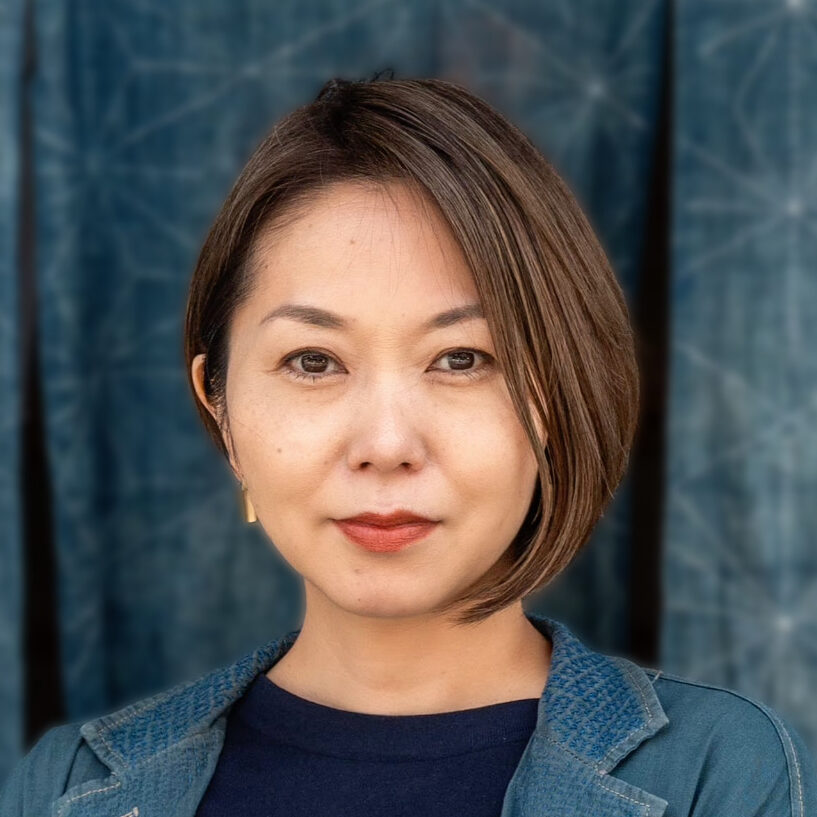
Kazue is the founder of SASHIKO.LAB, a working sashiko atelier in Kyoto, Japan, set in a 120-year-old machiya near Fushimi Inari. She teaches hands-on sashiko workshops and offers Kyoto craft experiences. She also runs the SASHIKO BORO ARCHIVE, a collection of vintage sashiko and boro textiles.
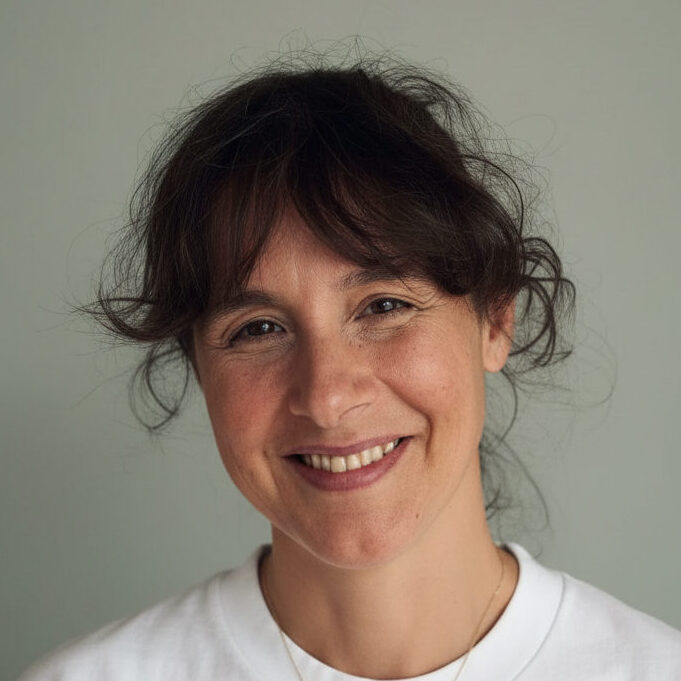
Ingrid Pastor
Casa Nakano
Ingrid is a textile designer and the founder of Casa Nakano, based in Japan. Her work moves from textile design into natural dyes, shibori and other traditional textile practices, which she has studied with artisans in Japan. Through Casa Nakano, she connects people with Japanese crafts and the artisans who make them.
Who this is for
Makers, textile practitioners, and anyone who wants hands-on time with shibori, natural indigo, and sashiko. No shibori experience is required; basic sewing experience is helpful.
Languages
English and Spanish.
Japanese interpretation is provided during the Shiga visit.
Group Size
Small group of 5 to 7 participants.
The program runs with a minimum of 5 participants, and we confirm by November 1.
Schedule and Location
December 1–4, 2026 (Tuesday to Friday). Days 1, 2 and 4 take place at SASHIKO.LAB. On Day 3, we travel together to Shiga.
What You’ll Take Home
Take home your own textile pieces, practical skills, and the confidence to start new projects with creativity, care, and professional-looking results.
Getting to the Atelier
SASHIKO.LAB is a 4-minute walk from JR Inari Station and a 6-minute walk from Keihan Ryukoku-dai-mae Fukakusa Station. Bicycle parking is available at the atelier.
Accessibility and Health
The ground floor of the atelier, where the workshops take place, is wheelchair accessible. The SASHIKO BORO ARCHIVE is on the upper floor and reached by stairs only. Please tell us about any health conditions or mobility needs before booking, especially for the Day 3 trip.
Food
Lunch is provided on all four days. Please tell us about allergies or dietary restrictions when you book, and we will confirm what we can accommodate.
What to Bring
Materials for stitching and dyeing are provided. Please bring reading glasses if you use them. Wear clothes you do not mind getting dyed, and dress in layers: Kyoto in early December is cold, and Shiga is typically a little colder.
Price, Booking and Cancellation
Price
¥170,000 per person (approx. US$1,070), tax included. See “What’s Included” above for details.
Booking and Payment
- Please apply through the inquiry form below. Bookings close on November 15, 2026.
- A 30% deposit (¥51,000) secures your place and is due within 7 days of booking confirmation.
- The balance (¥119,000) is due by November 1, 2026. Bookings made after that date require full payment at booking.
- Payment is by credit card, in Japanese yen (JPY). We send a secure payment link by email after your inquiry. Your card issuer may add a foreign transaction fee. The USD amount is an approximate guide and varies with the exchange rate. If you cannot pay by card, please contact us.
Cancellation by You
Please cancel by email. The date we receive your email is the cancellation date.
| When we receive your cancellation | Cancellation fee |
|---|---|
| October 31 or earlier (31 or more days before the start) | ¥51,000 (30%, the deposit) |
| November 1–16 (15 to 30 days before) | ¥85,000 (50%) |
| November 17 or later (14 days or fewer before), or no-show | ¥170,000 (100%) |
Any payment above the cancellation fee is refunded. Transport and workshop arrangements in Shiga are fixed in advance, so we cannot make exceptions for reasons such as weather, illness or travel disruption.
Cancellation by SASHIKO.LAB
If fewer than 5 participants have booked by November 1, or if the program cannot run for reasons beyond our control, we will offer rescheduling or a full refund.
Changes to the Program
If weather or a venue’s closure affects Day 3, we may change the schedule or arrange a comparable activity. Such changes are not grounds for a refund.
Travel Insurance
We strongly recommend travel insurance that covers medical expenses and trip cancellation. Cancellation fees apply regardless of the reason.
Terms
Full terms: Terms and Condition (PDF). Booking confirmation constitutes agreement to the terms.
Inquire about the program
Kazue or Ingrid will reply by email within a few business days. We’ll then send details on the next steps and payment.